The Mitochondrion, Part 6: Nitric Oxide and Photobiomodulation
The Mitochondrion, Part 6: Nitric Oxide and Photobiomodulation How Blood Flow, Oxygen Delivery, and Light Influence Mitochondrial Function A Series on Cellular Energy, Resilience, Repair, and Longevity In Part Five of this series, we explored hormesis—the idea that an appropriate physiologic challenge can stimulate adaptation. Exercise, fasting, heat, cold, intermittent hypoxia, and controlled oxidative stress […]
The Mitochondrion, Part 5: Physiologic Stress and Hormesis
The Mitochondrion, Part 5: Physiologic Stress and Hormesis Why the Right Dose of Stress Can Make Mitochondria More Resilient A Series on Cellular Energy, Resilience, Repair, and Longevity In Part Four of this series, we explored how cells sense changes in energy demand and metabolic conditions through signaling pathways such as AMPK, SIRT1, PGC-1alpha, and […]
The Mitochondrion, Part 4: Cellular Signaling and Mitochondrial Function
The Mitochondrion, Part 4: Cellular Signaling and Mitochondrial Function How Cells Decide When to Produce Energy, Adapt, Build, and Repair A Series on Cellular Energy and Healthy Aging In Part Three of this series, we explored mitochondrial quality control—the systems that allow cells to repair, recycle, and renew their mitochondrial population. But that leads to […]
The Mitochondrion, Part 3: Quality Control and Turnover
The Mitochondrion, Part 3: Quality Control and Turnover How Cells Repair, Recycle, and Renew Their Mitochondria A Series on Cellular Energy and Healthy Aging In Part Two of this series, we looked inside the mitochondrial engine and explored how cells convert fuel and oxygen into ATP, the usable energy that powers almost everything we do. […]
The Mitochondrion, Part 2: Inside the Mitochondrial Engine
The Mitochondrion, Part 2: Inside the Mitochondrial Engine How Cells Turn Fuel into Usable Energy A Series on Cellular Energy and Healthy Aging Every heartbeat, every muscle contraction, every nerve impulse, and virtually every process of cellular repair requires energy. Mitochondria produce much of that usable energy as ATP, or adenosine triphosphate. In Part One […]
The Mitochondrion, Part 1: A Series on Cellular Energy and Healthy Aging
We often describe mitochondria as the “powerhouses of the cell,” but that familiar description captures only a small part of what they actually do. Mitochondria produce much of the energy our cells require, but they also play roles in cellular signaling, metabolism, stress responses, quality control, inflammation, repair, and decisions about whether a damaged cell […]
A Single Evening Workout May Protect Memory After Sleep Loss
We already know that exercise is one of the most powerful interventions for improving healthspan. Its effects extend far beyond cardiovascular fitness or weight control. Exercise influences metabolism, muscle, mitochondrial function, inflammation, vascular health, and the brain. Now, an intriguing new study suggests that even a single session of moderate exercise may help protect memory […]
From the Sea to the Synapse: Could Plasmalogens Help Support the Aging Brain?
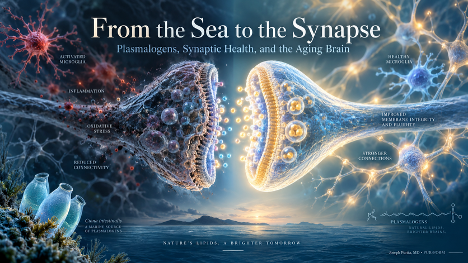
What membrane lipids may teach us about synaptic health, inflammation, and the regenerative environment Earlier this year, I wrote about an often-overlooked group of membrane lipids called plasmalogens and why they may merit more attention in brain health, longevity, and regenerative medicine. In my April 2026 PUR-FORM article, Plasmalogens: The Silent Defenders of Brain, Membranes, and Longevity, I […]
CURCUMIN REGIMEN FOR EBO2
Remember that EBO2 significantly reduces inflammation in the body by stimulation of the NRF2 pathway. NRF2 is a thermostat of anti-inflammation. This is one of the primary methods that EBO2 achieves success. Curcumin also has a significant effect on stimulating the NRF2 pathway. What it actually does is release the NRF2 from the cell’s cytoplasm […]
Evaluating Curcumin’s Role in Athletic Muscle Recovery and Inflammation Management
I came across this article about one of my favorite supplements. This systematic review comprehensively explores curcumin’s ability to reduce exercise-induced muscle damage in athletes. The research team carried out an extensive search of scientific databases to identify relevant studies examining curcumin supplementation in sports-related interventions. The review emphasizes the significant muscular changes that occur […]