Leading Regenerative Medicine in the Cayman Islands

THE PENSUM TREATMENT OF HOT FLASHES

Hot flashes are a common symptom experienced by many women during and after menopause but can also occur in men. They are characterized by a sudden warmth or heat that spreads throughout the body, accompanied by sweating and rapid heartbeat.

Read More »

OUR ORAL CYTOKINE FORMULA IS A TRUE GAME CHANGER

We constantly push the envelope to develop methods to improve our results clinically. Our new cytokine formula may be such a game-changer. Our unique formula makes use of a Velvet Deer Antler. But the formula is much different from those formulas out there both in strength and the formula itself.

Read More »

WHAT ARE PEPTIDES?

Your body makes peptides. They’re strings of amino acids, which are the “building blocks” of proteins. But a peptide doesn’t have as many amino acids as a protein does. The amino acids are linked by a chemical bond called a peptide bond. Your body makes peptides.

Read More »

EBO2 Benefits

Also known as ozone dialysis and developed by Louie Yu, PhD, the EBO2 method is the newest and most comprehensive protocol for administering ozone and purifying a patient’s blood that is available in a clinical setting today. It is the closest thing to an oil change for your body! EBO2 is an absolute breakthrough in the field of biotechnologies that is exploding in popularity all over the world within the functional and regenerative medicine community.

Read More »

Stem Cell Treatment and Overview

Most broadly, Regenerative Medicine can be described as, “building missing or damaged tissues and organs through the application of bioengineering principles or cell technology or both”. Plainly, this encompasses stem cells and stem cell therapy.

Read More »

What is Platelet Rich Plasma (PRP) Therapy?

Platelet Rich Plasma (PRP) can be described as autologous blood, centrifuged to remove most red blood cells, with concentrations of platelets above baseline levels, which contains at least seven growth factors and other cytokines that can stimulate healing of soft tissue and joints.
Read More »

VSELs Or V-Cells

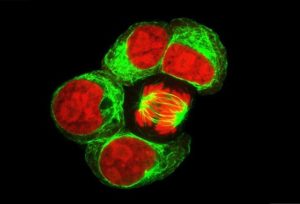
The adult pluripotent stem cell treatment we offer uses VSELs, [Very Small Embryonic Like Stem Cells] also referred to as V-Cells. They are also called peripheral blood stem cells, blastomeres or stembios cells.
Read More »

Hematopoietic Stem Cells [HSCs]

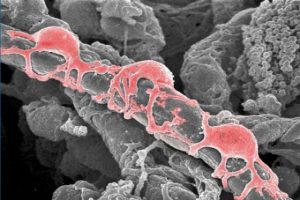
Hematopoietic stem cells (HSCs) are another type of cell we are utilizing. These cells are found in bone marrow, fat and circulating in the blood. They produce blood cells (white and red blood cells), blood vessels, and also help guide tissue regeneration by helping direct other cells to accomplish repair.
Read More »

Mesenchymal Stem Cells [MSCs]

Adult mesenchymal stem cells [MSCs] are multipotent stromal cells that can give rise to several cell types such as bone, muscle, cartilage, fat, and other tissues.

Read More »

Frequently Asked Questions

What are Stem Cells?

Stem Cells are cells located in our body which have not yet made up their mind about what
type of cell to become. So, they can become any type of cell and tissue in the body, such as
bone, cartilage, muscle, etc.. Stem Cells are essentially our natural reservoir of cells which we
use to repair and regenerate injured or degenerated tissue in our body.

Stem Cells can be harvested from our own Stem Cell storage areas and safely transferred to
where we need them. The most abundant areas of Stem Cells in our body are in our bone
marrow and fat.

Yes, unless our doctors determine you have a specific medical condition, it is safe to transfer
Stem Cells. New Stem Cells will form in the area where they were harvested from.

Once Stem Cells are transferred, certain cells and chemicals in our body will guide them to where they are needed. Areas of our body which are inflamed and degenerated will receive the majority of the stem cells. Once the Stem Cells are at the correct location, our body’s chemicals will signal them which type of cell to become.

Stem Cells are the body’s own repair mechanism. They continuously help us heal from injuries. The injured tissue sends out signals to attract the Stem Cells and heal the tissue. However, some conditions such as severe degeneration or arthritis overwhelm this process. In this case more stem cells are needed.

As we age, our body still maintains large numbers of Stem Cells. However, it becomes more difficult to transfer the Stem Cells from our storage areas to where we need them. This is due to diminished circulation, reduced oxygen, and other diseases we contract with increasing age. Some conditions, such as severe forms of arthritis or injuries also overwhelm our body’s capacity to deliver the required numbers of Stem Cells to the specific area where they are needed.

Yes. One type of Stem Cell, called “hematopoietic stem cells”, are primarily present in the bone marrow. Another type, called “mesenchymal stem cells” are mostly located in our body fat. We combine both types of Stem Cells to give you the maximum chance for repair and regeneration

Stem Cells taken from one part of your body and placed into a different part have not been
shown to cause cancer.

No, we never use any Stem Cells other than those from your own body.

Adipose [fat] stem cells are taken from your thighs which are rich in brown fats. Bone Marrow stem cells are taken from your iliac crest [upper hip bone region] and blood stem cells taken through blood draw.

The doctor will use local anesthetics while your stem cells are transferred. Most patients
experience minimal pain during the procedure.

In a Bone Marrow Stem Cell Procedure (BMAC), a needle is used to remove stem cells from the bone marrow of your hip bone. These cells are then placed into a machine called a “centrifuge” which “spins” the cells. This process separates your Stem Cells from the other cells in the bone marrow, which are not needed. These stem cells can then be injected where your body needs them, such as a degenerated knee or hip joint.

Contrary to the popular notion that removing bone marrow is extremely painful there is
minimal pain. The area is numbed with local anesthetics prior to the procedure and a new state of the art needle is used to remove the stem cells. During the procedure you will hear a tapping noise.

A “Fat Graft” is fat tissue which is removed with needles from you abdomen, hip, or buttock
area with a small needle. This is also referred to as a “mini-liposuction” procedure, similar to cosmetic surgery procedures. This Fat Graft contains many useful Stem Cells. These Cells are then injected where your body needs them.

Platelet Rich Plasma (PRP) is the part of your blood which contains specific cells, called
Platelets. These platelets have several important jobs: (1) They help your body form blood clots when you bleed. (2) They travel to inflamed areas of our body and tell the stem cells where to do their work. (3) They contain important growth factors (fertilizers), which help the Stem Cells to succeed.

Stem Cells are removed from your bone marrow (BMAC) or fat (Fat Graft). PRP is a sample of your blood which contains specific cells, called “platelets”. A PRP treatment is sometimes adequate by itself as a treatment of inflamed tendons, ligaments or joints. However, if there is significant degeneration, a Stem Cell treatment is usually needed.

No, Prolotherapy is something very different. Prolotherapy injects a sugar-like substance into an inflamed joint. This causes even further inflammation in the hopes that the body will start a repair process. However, prolotherapy is only a short term treatment and does not use actual
Stem Cells.

Stem Cell procedures have been done safely for the last 20 years. Initially, these procedures were done for cancer patients where stem cells from healthy donors were transferred to cancer patients. Over the last 10 years, doctors and scientists have discovered that Stem Cells can also be taken from one part of a patient’s body and then placed into another area where they are needed.

How many of these procedures have been done?

Our physicians have experience with thousands of PRP and Stem Cell procedures, spanning over
10 years.

Typically only one Stem Cell Treatment is needed. However, we may recommend several more Platelet Rich Plasma injections to help the stem cells become more active.

Certainly. None of our procedures would impact on your option to have surgery in the future.

Our Stem Cell procedures takes approximately 3 hours to complete. So, we do recommend that you take the day off from work. Most patients take a few days off after the procedure.

You can return to most of your normal activities immediately. Depending on where the Stem
Cells were injected, you may feel some transient soreness or stiffness.

Yes. If you have an active form of cancer, we do not recommend our procedures. We may also
identify other medical conditions which could disqualify you. For this reason, we will review
your medical history and let you know if we find a disqualifying condition.

Our doctors will review your Radiology studies and Medical History to determine if you are a
candidate for our procedures. This is followed by a formal patient consultation.

Apart from using your own Stem Cells, we also add natural growth factors to help the Stem
Cells succeed.

We use X-Ray and Ultrasound machines to accurately deliver the Stem Cells to the injured or
degenerated part of your body.

After we remove a small amount of bone marrow, fat or blood, we place them into a machine
called a “Centrifuge” to spin them. This process separates your stem cells from other cells,
which are not needed, or could interfere with the success of the procedure.

Typically, local anesthetics alone are adequate to provide pain relief. Sometimes oral sedatives
are also given if you are uncomfortable with needles. Please bring this to our attention if this is a concern.

Our most commonly performed procedure, which combines the stem cells from your bone
marrow (BMAC) and fat with the platelet cells from your blood (PRP), takes about 3 hours to
complete.

After your doctor injects the Stem Cells where they are needed, they go to work right away. They will continue their repair process for up to 1 year or longer. This does not mean that you have to wait for pain relief. Patients typically feel pain relief in the first six weeks.

There is no real downtime. You may feel some soreness and stiffness but should be able to
resume normal activities soon after the procedure.

Since the stem cells were taken from your own body the risk of rejection is extraordinarily low.

The great majority of patients are very happy with their results and would do it again.

Many patients take blood thinners. We will screen them and let you know if you are still a
candidate for our procedures.

Yes this often adds to the success of the procedure and we can suggest various vitamins and
supplements.