
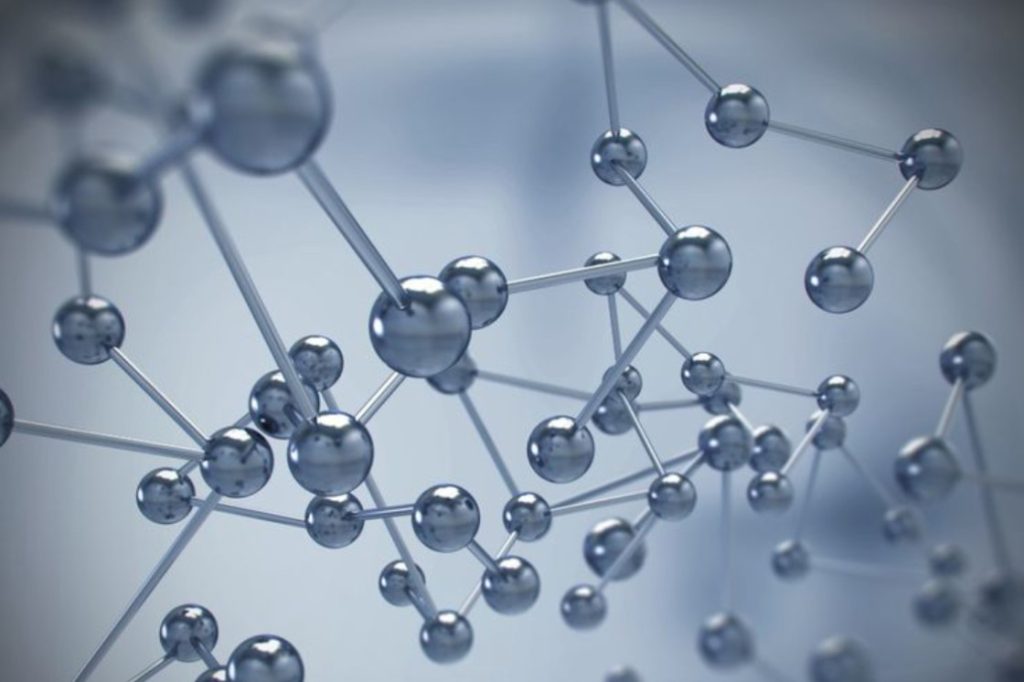
Your body makes peptides. They’re strings of amino acids, which are the “building blocks” of proteins. But a peptide doesn’t have as many amino acids as a protein does. The amino acids are linked by a chemical bond called a peptide bond. Your body makes peptides. They’re strings of amino acids, which are the “building blocks” of proteins. But a peptide doesn’t have as many amino acids as a protein does. The amino acids are linked by a chemical bond called a peptide bond. When organized in complex structures (typically consisting of 50 or more amino acids), peptides then become proteins. Your body makes peptides. They’re strings of amino acids, which are the “building blocks” of proteins. But a peptide doesn’t have as many amino acids as a protein does. The amino acids are linked by a chemical bond called a peptide bond. When organized in complex structures (typically consisting of 50 or more amino acids), peptides then become proteins. The following illustration demonstrates the differences between amino acids, peptides, and proteins.


- Accelerated wound healing (muscle, ligament, tendon, nerve)
- Anti-inflammatory
- Has been shown to decrease pain in damaged areas
- BPC 157 increases growth hormone receptors
- Promotes the outgrowth of tendon fibroblasts, cell survival under stress, and the migration of tendon fibroblasts
- Improves digestive function
- May improve blood pressure and NO production
- Protects and heals inflamed intestinal epithelium (leaky gut)
- It has also been shown to help in Inflammatory bowel disease
- Protects liver from toxic insults (alcohol, antibiotics, etc) and promotes healing
- In tendons, BPC-157 increases fibroblast growth via phosphorylation levels of both FAK and paxillin (dose dependently)
- In collagen repair, BPC-157 stimulates EGR-1 which induces cytokine and growth factor generation and early extracellular matrix (collagen) formation
- EGR-1 also increases its co-repressors such as nerve growth factor 1-A binding protein-2 (NAB2)
- BPC-157 can increase decrease B4 (LTB4), thromboxane B2 (TXB2), and myeloperoxidase (MPO) in the serum and inflamed tissues and increase macrophages activity

- Reduced inflammation of tissue in joints
- Increased exchange of substances between cells
- Encourages the growth of new blood cells in tissue
- Calms muscle spasm
- Improved muscle tone
- Encourages tissue repair
- Stretches connective tissue
- Helps maintain flexibility
- Increased endurance and strength
- Prevents the formation of adhesions and fibrous bands in muscles, tendons, and ligaments
- Reduces the infarct size and improves heart contractile performance
- Therapeutic effect on corneal injury and dry eye syndrome
- Antifibrotic effect on the liver
- Accelerates hair growth


– Dr. P
Read original post