
Your knee hurts when you climb the stairs. Your elbow aches when you lift a shopping bag. Rest may help for a while, but the pain keeps returning. If someone has suggested a PRP injection, your first concern is probably simple: could it help, and what would treatment involve?
PRP uses a preparation made from your own blood. Some patients consider it for certain joint or tendon problems, but its value depends on the diagnosis and the evidence for that condition. It does not guarantee pain relief or remove the need for rehabilitation.
Pensum Regenerative Medicine in Grand Cayman offers PRP as part of its orthopedic and regenerative services. Before you decide, it helps to understand the procedure, the uncertainties, and the questions worth asking at your consultation.
- PRP is a preparation made from your own blood.
- Its value depends on your diagnosis and the evidence for that condition.
- It does not guarantee pain relief or remove the need for rehabilitation.
Understanding Platelet-Rich Plasma
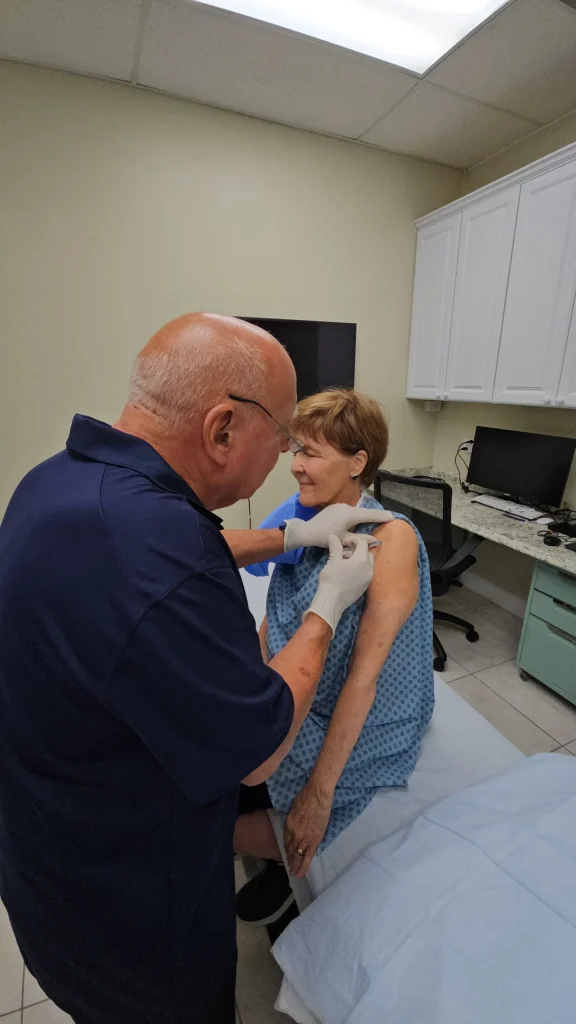
Platelet-rich plasma, or PRP, is the liquid part of blood with a higher concentration of platelets. Platelets help blood clot and release proteins involved in the body’s response to injury. A clinician draws a blood sample, processes it, and injects the selected preparation into the treatment area.
PRP is different from a steroid injection and from a stem cell treatment. The fact that it comes from your own blood does not mean it is suitable for every painful joint or injured tendon. A diagnosis should guide the choice, rather than the treatment’s name.
Conditions That May Lead to a PRP Discussion
PRP is studied and used for selected orthopedic problems, including knee osteoarthritis and persistent tendon pain. The American Academy of Orthopaedic Surgeons’ PRP overview discusses possible benefits for some conditions while stressing that findings cannot be applied to every injury.
For your consultation, describe the activity that matters most to you. Perhaps you want to walk farther, grip tools comfortably, or return to a particular sport. Ask whether the research measures that kind of improvement. A study about knee pain may not answer a question about shoulder strength or a complete tendon tear.
What Does the Research Actually Show?
PRP research does not give one simple answer. In the RESTORE randomized trial, 288 adults with mild to moderate knee osteoarthritis received PRP or saline injections. At 12 months, PRP did not produce a significant advantage in the main measures of knee pain or cartilage volume.
A different randomized trial of knee osteoarthritis reported better pain and function outcomes with PRP than with saline. Different findings are a reason to look closely at the study population, preparation, treatment schedule, and outcomes. They are not a reason to promise that treatment will work for everyone.
Ask your clinician to explain both the supportive evidence and the uncertainty for your diagnosis. Symptom relief and cartilage regrowth are different claims. An improvement in a pain score does not, by itself, show that a joint has returned to its original structure.
An improvement in a pain score does not, by itself, show that a joint has returned to its original structure. Ask for both the supportive evidence and the uncertainty for your diagnosis.
A Useful Assessment Starts With Your Diagnosis
Before discussing an injection, make sure you understand what is causing the pain. Ask your clinician to explain the diagnosis in everyday language and how confident they are about it. Bring previous scan reports and details of treatment you have already tried.
A short record can make the conversation more useful. Note when the pain began, what makes it worse, what helps, and which activities you avoid. If symptoms have changed, describe that too. The goal is to give your clinician a clear picture rather than arrive with a treatment decision already made.
Ask what other options deserve consideration and why PRP is being suggested at this stage. You should leave knowing the intended goal, the main limitations, and the plan if the injection does not help.
- Previous scan reports
- Details of treatment you have already tried
- When the pain began, what makes it worse, what helps
- The activities you avoid because of pain
Preparing for Your PRP Appointment
Follow the instructions from the team performing your procedure. Tell them about prescribed medicines, blood thinners, allergies, a current infection, and any recent antibiotic treatment. The Robert Jones and Agnes Hunt NHS patient leaflet identifies these as important details to raise before an ultrasound-guided PRP injection.
Do not stop prescribed medication on your own. If you receive instructions about pain medicine or anti-inflammatory drugs, ask which medicines they cover and confirm the advice with the relevant prescriber.
Before the appointment, clarify practical arrangements. Ask whether you need someone to take you home, whether clothing should allow access to the treatment area, and whether work duties need adjusting afterward. Written instructions are easier to follow than advice you have to remember while feeling sore.
Do not stop prescribed medication on your own. Confirm any advice with the relevant prescriber.
The Blood Draw, Preparation, and Injection
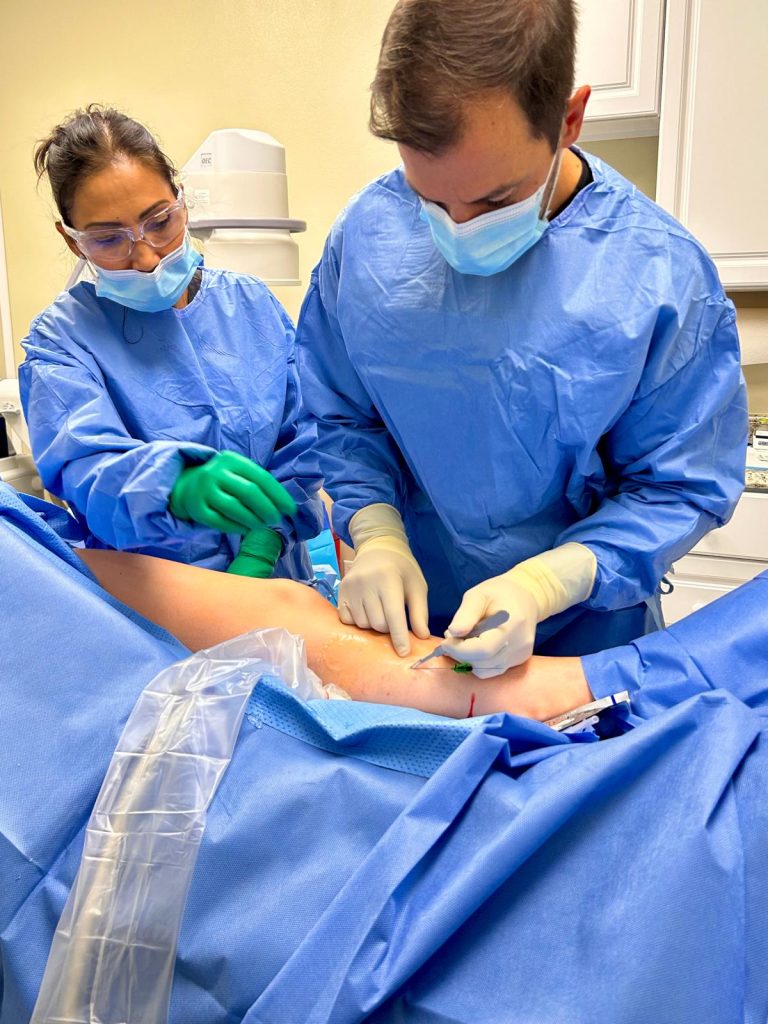
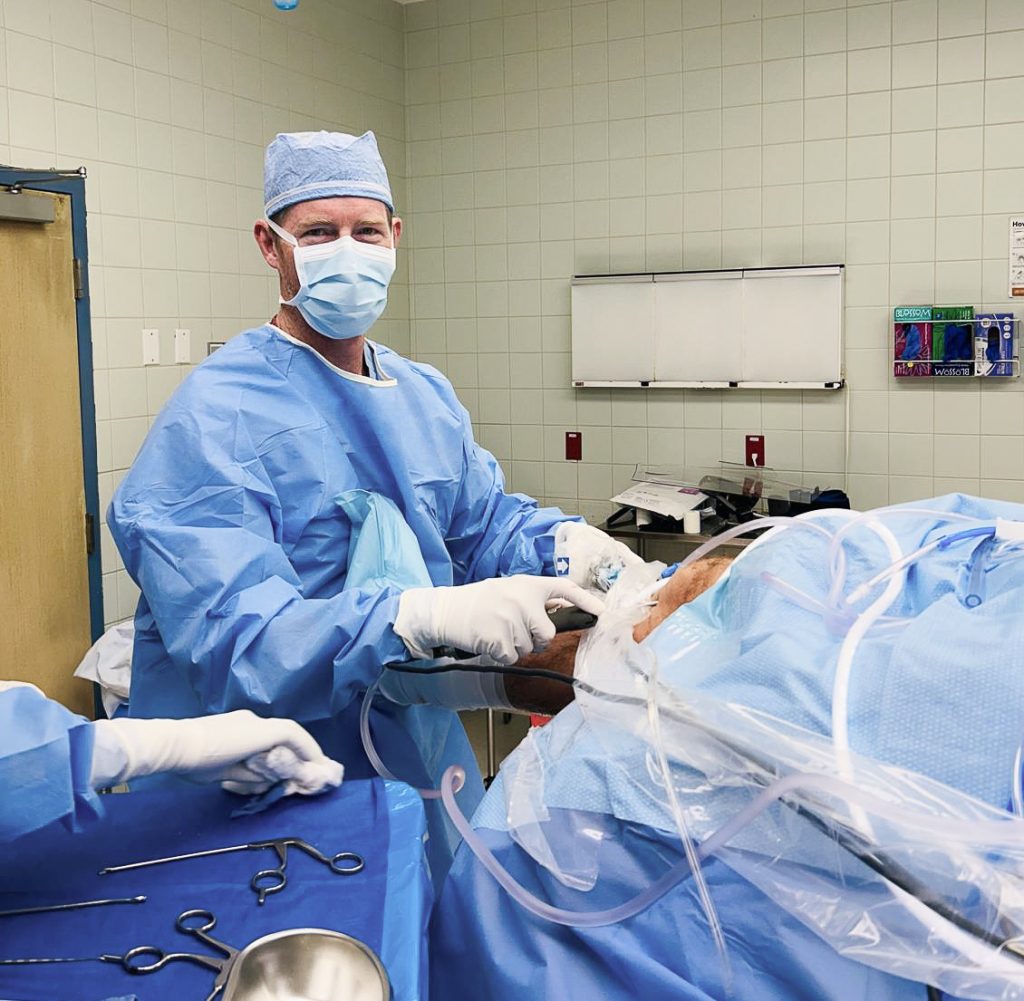
The procedure involves taking blood and separating its components in a centrifuge, a machine that spins the sample. The clinician collects the platelet-rich portion for injection. Depending on the target and the planned technique, ultrasound may help guide the needle.
The Robert Jones and Agnes Hunt leaflet describes this preparation and image-guided placement. Ask the treating team how their approach applies to your particular joint or tendon. Do not assume that every clinic uses the same preparation or appointment schedule.
Before consenting, confirm the treatment area, the number of planned visits, and who will perform the procedure. If anything in the explanation is unclear, ask for it to be repeated in plain language. You should understand what you are agreeing to before the injection begins.
Recovery Is More Than Resting the Injection Site
Some people feel sore after a PRP injection, and any improvement may take time. Sherwood Forest Hospitals’ patient information for elbow treatment explains that rehabilitation and follow-up are part of care. Its instructions are specific to that service and should not replace your own clinician’s plan.
Ask for guidance that fits your daily routine. Desk work, carrying equipment, driving, and sport place different demands on the body. Rather than ask only when you can resume everything, explain the tasks you need to do and request clear advice for each one.
Keep a simple record of symptoms and activity between visits. For example, note whether a familiar task feels easier, unchanged, or harder. Bring that record to follow-up so the discussion focuses on everyday function as well as pain.
Risks and Symptoms That Need Attention
An injection can cause discomfort, bruising, or bleeding. Infection and injury to nearby structures are also possible. Using your own blood does not remove the risks associated with placing a needle through the skin.
Before leaving, ask which symptoms the team expects, which symptoms need a call, and whom to contact outside normal hours. Increasing redness, heat, swelling, fever, or pain that becomes severe should prompt medical advice rather than waiting for a routine review. Seek urgent care if you feel seriously unwell.
The Robert Jones and Agnes Hunt patient information covers infection, bleeding, and possible damage to nearby structures. Your consent discussion should also address any risks linked to your health, medicines, and the specific area being treated.
- Increasing redness or heat
- Increasing swelling
- Fever
- Pain that becomes severe
Seek urgent care if you feel seriously unwell. Ask before you leave whom to contact outside normal hours.
Comparing PRP With Other Treatment Choices
Ask for a comparison that relates to your diagnosis, not a general claim that one treatment is best. Your discussion might cover rehabilitation, changes to activity, medication, other injections, or surgery where appropriate. Ask what each option aims to achieve and what the next step would be if it does not help.
It is also reasonable to ask what happens if you postpone an elective injection. Understanding the consequences of waiting, the likely demands of recovery, and the available alternatives can help you make a decision that fits your priorities.
Costs, Follow-Up, and Realistic Expectations
Request a written quote before booking. Ask whether it covers assessment, blood processing, the injection, imaging guidance if planned, and follow-up. If several visits are proposed, clarify the total expected cost rather than relying on a per-injection figure.
Check insurance coverage directly with your insurer. Ask the clinic what paperwork it can provide and whether separate services may generate separate charges. These questions help prevent confusion without assuming that a particular policy will cover treatment.
Agree on how progress will be assessed. A useful goal might relate to walking, sleep, grip, or a specific daily task. Ask when the team will review that goal and when lack of improvement would lead to a fresh assessment instead of another injection.
- Assessment and blood processing
- The injection, and imaging guidance if planned
- Follow-up, plus the total cost if several visits are proposed
Discussing Your Options at Pensum
The most useful first step is a conversation about your diagnosis, previous care, and the activities pain has made difficult. PRP deserves the same careful questions as any other treatment: what is the goal, what supports its use, what are the risks, and what are the alternatives?
If you are considering treatment in Grand Cayman, review Pensum’s stem cell and PRP treatment options and book a consultation to discuss your symptoms. Pensum Regenerative Medicine can explain its listed services and the assessment needed before a treatment decision.
Talk through your options with our team
We’ll review your diagnosis and the assessment needed before any treatment decision.
For general information only. It does not replace a medical consultation. Treatment suitability depends on your diagnosis and medical history.